Home / Services / Attic Insulation
Residential & Commercial
Attic Insulation St. Paul
Minnesota hands your attic the hardest job in the country: forty below in January, ninety and humid in July, and freeze-thaw cycles in between that turn small air leaks into ice dams.
Ice Dams Start in the Attic
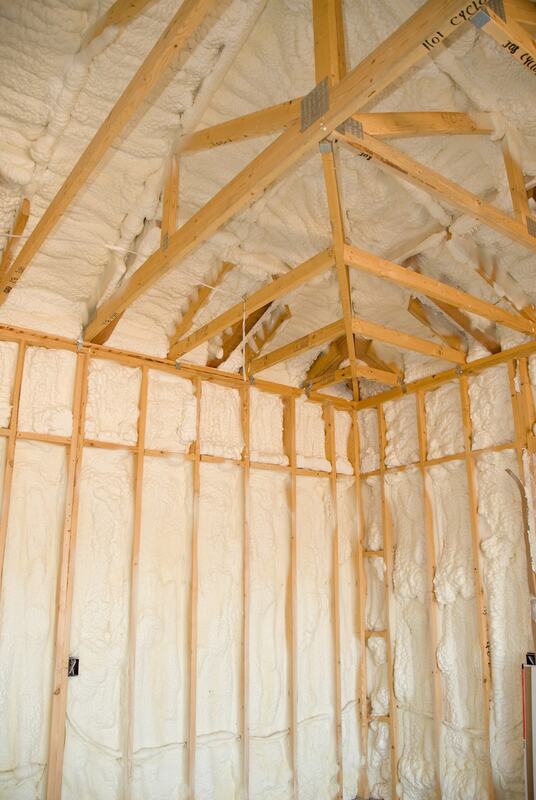
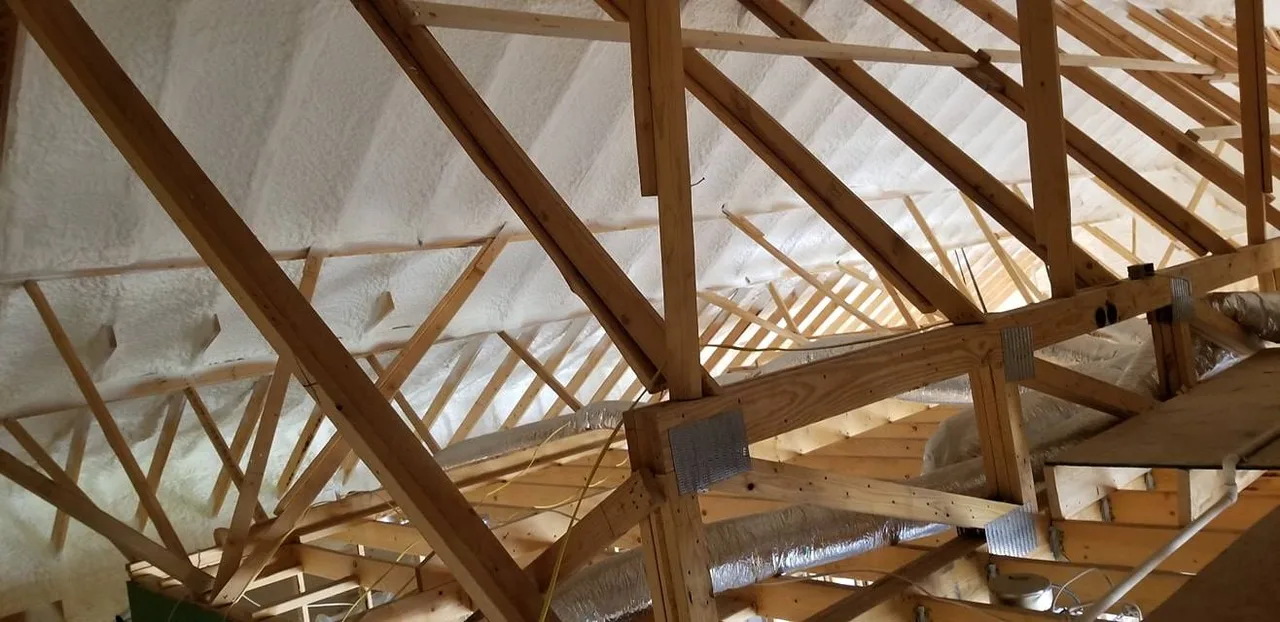
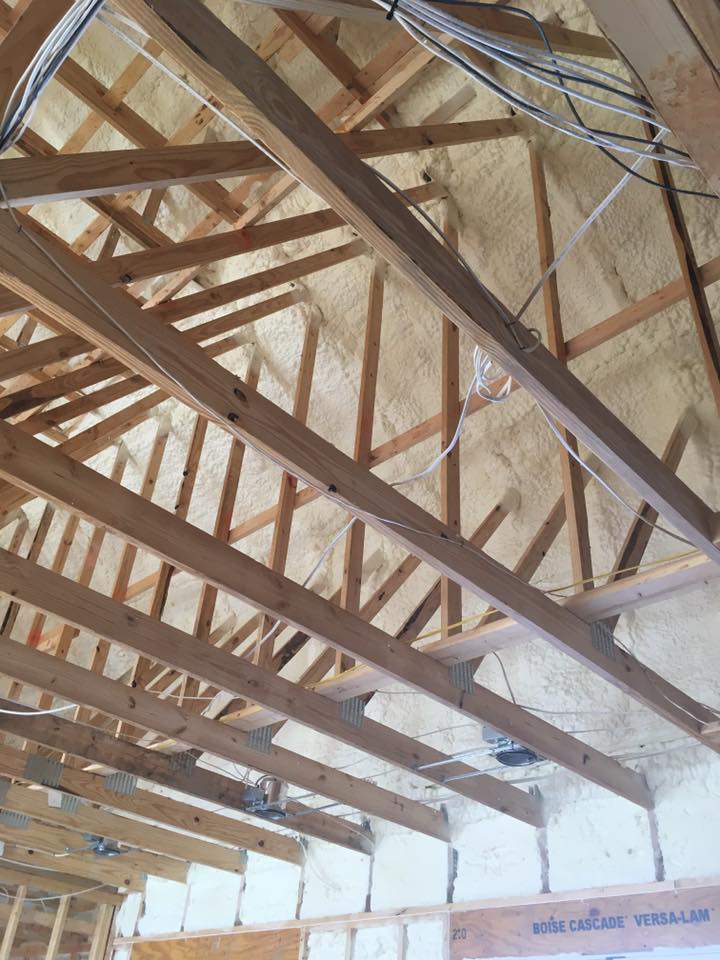
Every icicle hanging off a St. Paul eavestrough is attic heat escaping, melting roof snow that refreezes at the cold edge. Foam at the roof deck keeps the deck cold and even, so the snow stays snow and the water stays out of your soffits. The same seal stops frost from forming on the underside of the roof in deep cold.
Floor or Deck, Measured Honestly
Some Twin Cities attics want foam at the floor, others at the deck; the ventilation, ductwork and storage you have decide it. We assess, explain the choice, and spray to a measured depth you can verify. Have our insulation contractors take a look free, call (651) 504-3296.
Minnesota Asks More of an Attic Than Anywhere
The temperature difference across a St Paul ceiling runs for months rather than weeks, so every gap in the ceiling plane is working against the house continuously through the heating season. The dominant path is air moving through penetrations: around recessed lights, at top plates, through plumbing chases and an unsealed attic hatch. Material lying above those gaps slows heat transfer while leaving the air exchange untouched.
Ice Damming Is an Insulation Problem Wearing a Roofing Costume
Warm air escaping into the attic warms the roof deck. Snow melts, water runs to the cold eave, refreezes, and the dam that forms backs water up under the shingles. The damage appears on the roof and in the ceilings below, which is why it gets treated as a roofing failure, but the mechanism is heat and air reaching the deck. Sealing the ceiling plane and getting ventilation right is what stops it recurring.
Ventilation Is Part of the Assembly, Not an Afterthought
A vented attic depends on soffit and ridge airflow to carry moisture out and to keep the deck cold. Insulation stuffed into the eaves blocks that airflow at exactly the point it matters most, which is a common finding on retrofitted attics. Where a roof line is sealed with foam instead, the ventilation is removed deliberately and the foam manages vapour — that is a planned change, and it should be explained before the work rather than discovered after.
What the Finished Work Should Show
Depth measured and photographed where loose material went in. Consistent thickness across a roof deck where foam was applied, including the runs at the eaves where coverage slips most easily. Baffles in place where airflow has to be maintained. The attic hatch sealed and insulated. Penetrations sealed before anything was laid over them.
Questions
Common questions
Is attic insulation worth it in Minnesota?
Yes. The attic is where most Minnesota homes lose the most conditioned air, so it is usually the highest-payback area to insulate.
Do you remove the old attic insulation first?
Where the old material is settled, damp or damaged, it comes out before the new insulation goes in, and we quote that step up front.
How long does an attic project take?
Most residential attics are completed in a single day.
Want to know what your project would cost?
Tell us about the property and we'll help you determine the next step.
Free written estimates • No obligation • Local team